
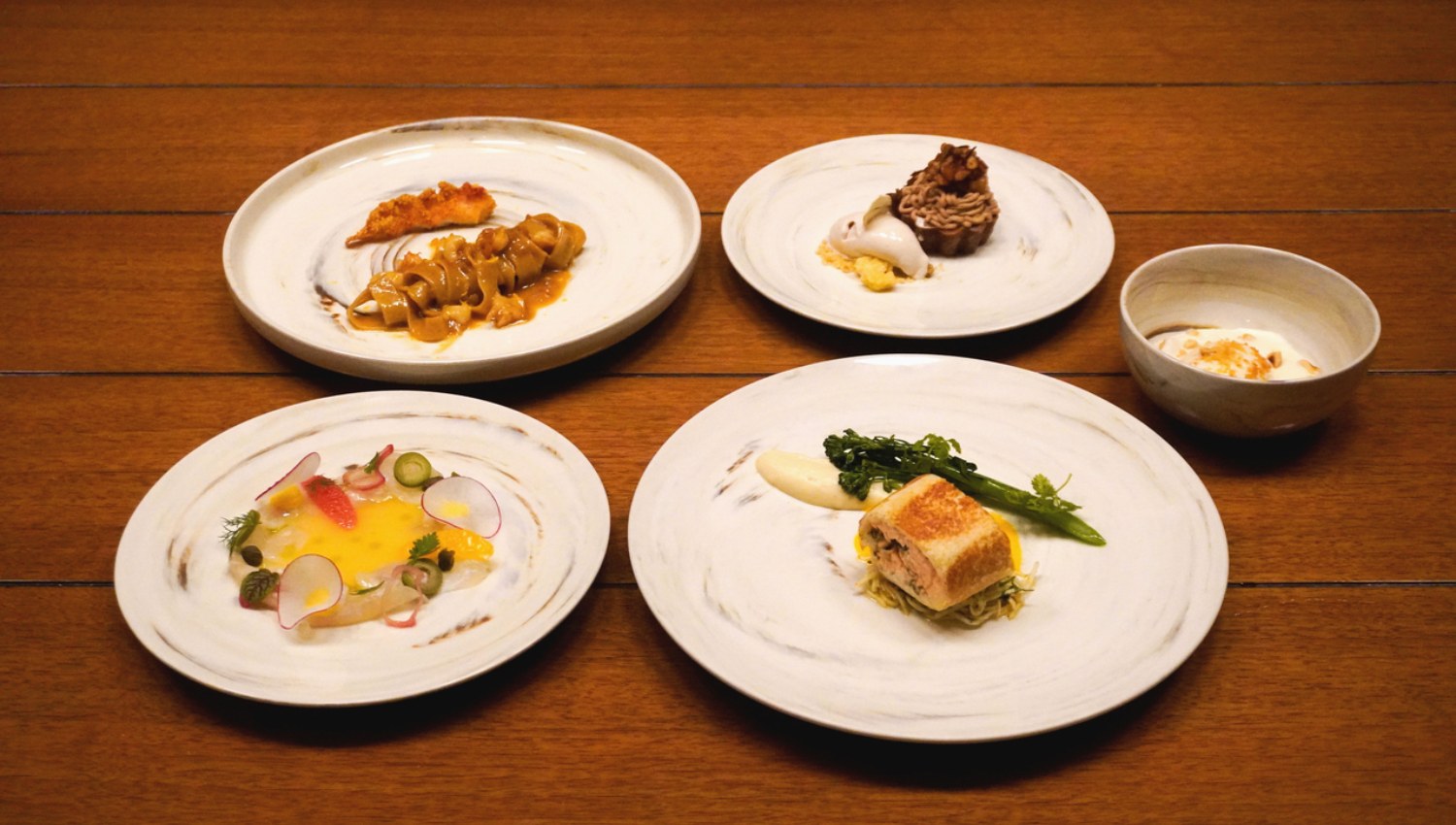

Conrad Seoul has set out how it sources food for its restaurants, saying about half of the seafood served across the hotel is now certified and that it is the first in Korea to bring ASC-certified flatfish into its kitchens. The hotel presented the approach to a small group of food journalists at a five-course lunch called Today’s Meal, a Choice for Tomorrow, a menu designed to show its everyday sourcing rather than one offered to guests.
The flatfish, an olive flounder from an ASC-certified farm in Jeonnam-Gwangju, opened the meal as a crudo with citrus, pink peppercorns and green herb oil. Flatfish is among the most widely eaten fish in Korea, yet director of marketing communications Matthew Jeon said the country has only one certified domestic flatfish farm. Adding certified producers means visiting farms, persuading them to apply and finding certified handlers and distributors, which can take months, and the hotel waited for a certified distributor to open at Noryangjin Fisheries Wholesale Market before adding the fish. “There is no demand for certified seafood, so there is no supply,” Jeon said.
Lobster and snow crab at the hotel are 100% certified, while salmon is about 50% because steady certified supply cannot yet guarantee consistent quality. Its ASC-certified abalone comes from Wando. The Aquaculture Stewardship Council, founded in 2010 by WWF and the Dutch Sustainable Trade Initiative, certifies farmed fish and shellfish, and the Marine Stewardship Council, set up in 1997 by WWF and Unilever, covers wild-caught seafood. Both require traceability through a certified supply chain. Conrad Seoul gained MSC chain-of-custody certification in 2021 and says it was the first company in Korea’s hotel and food service industry to do so.
Cage-free eggs are used in all of the hotel’s food and beverage outlets, and Jeon said the policy now extends to liquid egg products, which many restaurants leave out. The Butcher’s Edge, its grill restaurant on the 37th floor, won a silver star in the Sustainable Wine List of the Year (Asia) category at the 2025 Star Wine List awards, the only Korean restaurant recognised in that category.
The programme sits under Travel with Purpose, the global sustainability strategy of parent company Hilton, which covers responsible sourcing and cutting food waste. Hotel manager Gabriele D’Amore, who follows a vegan diet, said the hotel treats vegan eating as part of sustainable dining, and the lunch ended with a vegan chestnut torta with fig compote. Director of food and beverage Georges Saade said the aim is to apply sustainability in everyday use, and D’Amore said he hoped the meal showed that sustainability “does not need to feel restrictive or complicated”.