
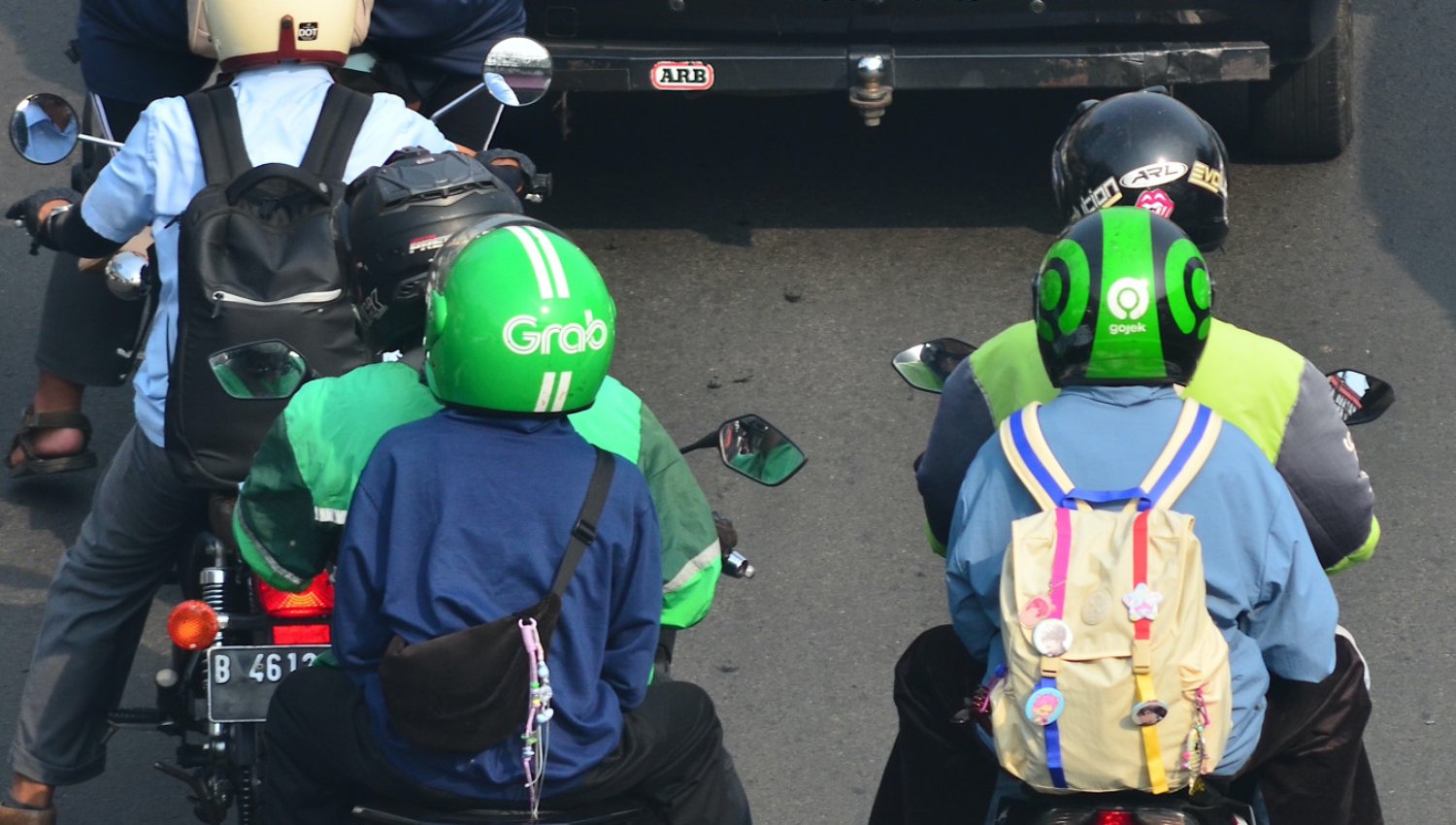

Indonesia’s Transportation Ministry plans to classify app-based motorcycle ride-hailing as public transport by adding it to a draft revision of Law No. 22/2009 on road traffic and transportation. The proposed scope covers two-wheeled passenger services as well as motorcycle delivery of goods and food, and the government is aiming to finish deliberations this year, which leaves a short timetable for a change of this size.
Transportation Minister Dudy Purwagandhi said the change would give online transport a clearer legal basis. Services offered through apps such as Gojek and Grab have grown quickly without rules set at the level of law. “We cannot allow services that have developed in society to operate without adequate regulation,” Dudy said, according to the state news agency Antara. He added that road safety was also a concern. “It is also important to maintain road transportation safety,” he said.
The bill is one part of a wider effort by the government to set rules for the gig economy. It follows the recent issuance of Presidential Regulation No. 27/2026 on ride-hailing services, which House of Representatives Deputy Speaker Sufmi Dasco Ahmad announced at a press conference on 8 October. The regulation must cover at least three areas: passenger fares, fees for food and goods delivery, and the partnership arrangements between drivers and platforms. Those partnership provisions include classifying drivers as micro, small and medium enterprises, which treats them as independent businesses rather than as employees of the platforms.
The decree has not yet been made public, which makes it hard to judge how its key terms will work in practice. The Jakarta Post has reported on related steps over recent months, including government plans to set rates for on-demand food and courier delivery and to treat gig workers as micro businesses. In May the industry pushed back against a separate proposal to fold ride-hailing into marketplace regulation.
Writing motorcycle taxis and delivery riders into the road transport law would give the sector its first rules at the level of statute rather than regulation alone. For the platforms and the drivers who work through them, the details to watch are how fares, delivery fees and partnership terms are written into the presidential regulation once it is published, and how the revised law treats two-wheeled vehicles as public transport when it reaches parliament.