
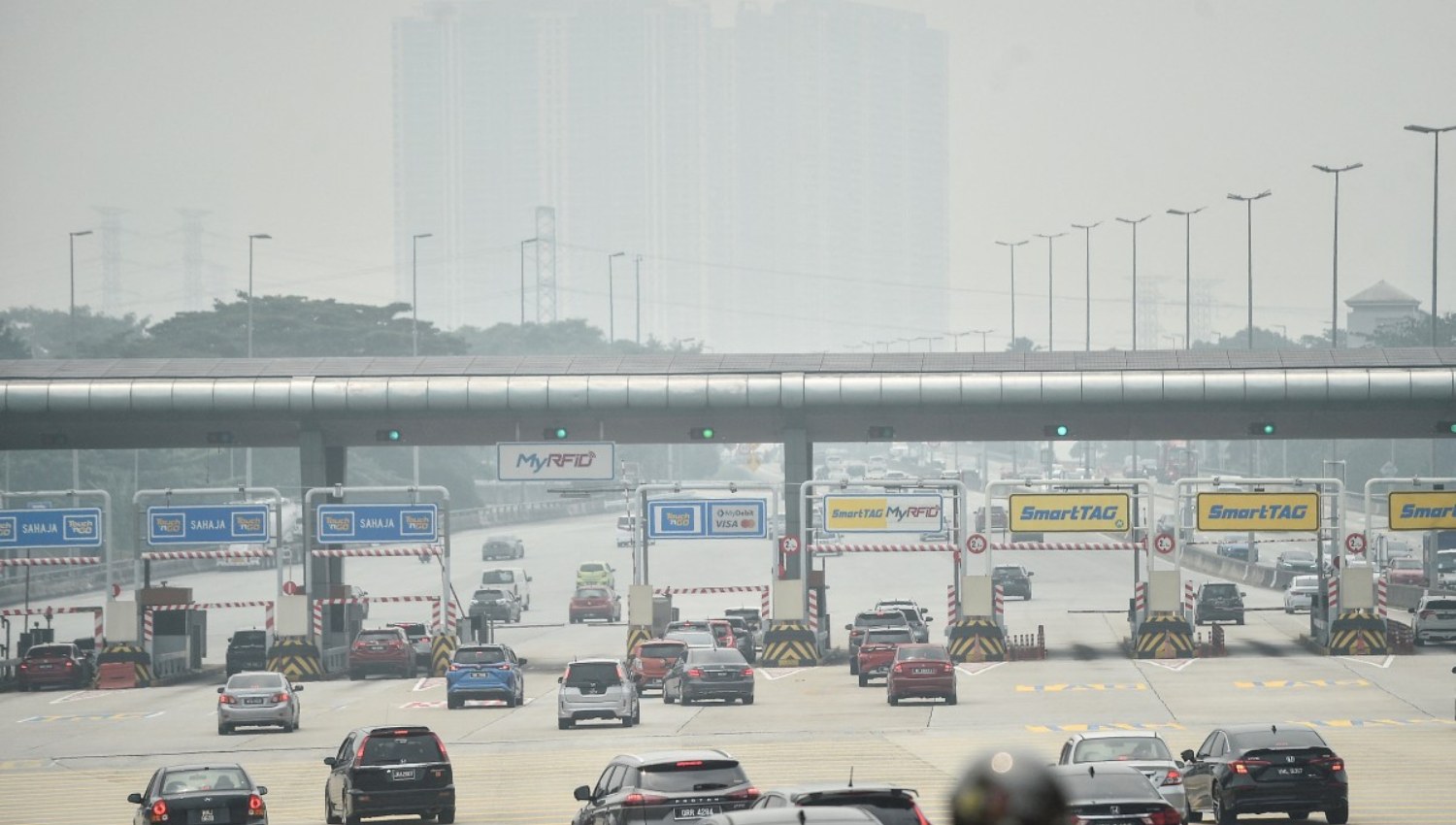

Malaysia closed schools in Kuala Lumpur and several other parts of the country on Friday 9 October, after smoke from fires in neighbouring Indonesia pushed air quality to some of the worst levels in the world. Prime Minister Anwar Ibrahim has since raised the problem directly with Indonesian President Prabowo Subianto and called for an urgent regional meeting.
Education Minister Fadhlina Sidek ordered full school closures in four states and two federal territories, along with a partial closure in the central state of Pahang. She said late on Thursday that future decisions would be announced early enough to give parents time to prepare. On the same day King Sultan Ibrahim said schools should shut whenever Air Pollutant Index (API) readings reach 150 or higher. Under Malaysian guidelines a reading above 100 is unhealthy, above 200 very unhealthy, above 300 hazardous and above 500 a local emergency. Kuala Lumpur recorded a reading of around 170 on Friday.
Smoke from peatland and forest fires has hung over cities across the region for more than a month, and respiratory complaints have risen sharply. Air quality in the capital stayed at unhealthy levels through the week, and the Swiss-based monitor IQAir placed it among the world’s most polluted cities on most days. On Friday morning IQAir ranked Kuala Lumpur second worst in the world, behind Singapore, where the air quality index reached 205, in the very unhealthy range. On that index, readings above 150 count as unhealthy and those above 300 as hazardous.
Anwar said on Thursday that the haze had reached a worrying level and that he had contacted Prabowo personally. He said the Indonesian leader had agreed to take “the necessary steps”, although he gave no details. Anwar has also asked Foreign Minister Mohamad Hasan to approach the secretariat of the 11-member Association of Southeast Asian Nations (ASEAN) to arrange an urgent meeting of the bloc’s environment ministers.
In the meantime Malaysia is increasing cloud seeding in an effort to bring rain and clear the air. Experts blame the fires partly on what they describe as a turbo-charged El Niño weather pattern, which they say is producing the worst pollution conditions in years. Anwar said the government would keep monitoring the situation closely and would try further measures to reduce the haze.