

China, Japan and the United States all reduced development finance to South-East Asia in 2024, pushing total flows to their lowest level in a decade, according to the Lowy Institute’s latest South-East Asia Aid Map. Official development finance to the region fell nearly 10 per cent to US$26 billion (A$37 billion).
Japan cut its funding by US$1.5 billion as some COVID-era lending was fully paid out and major infrastructure projects wound down. China’s contribution fell by nearly a quarter to US$5.3 billion. Lead author Rahul Nath told the ABC the map painted “a pretty grim picture”, with traditional donors in retreat and China cutting rather than filling the gap. He said Beijing had learnt from a decade of heavy infrastructure lending, had absorbed losses from debt relief and was now funding smaller, more carefully chosen projects, while slower growth at home was also playing a part. Governments in the region have become more selective about large Chinese loans after local criticism of projects that sidelined workers or damaged the environment.
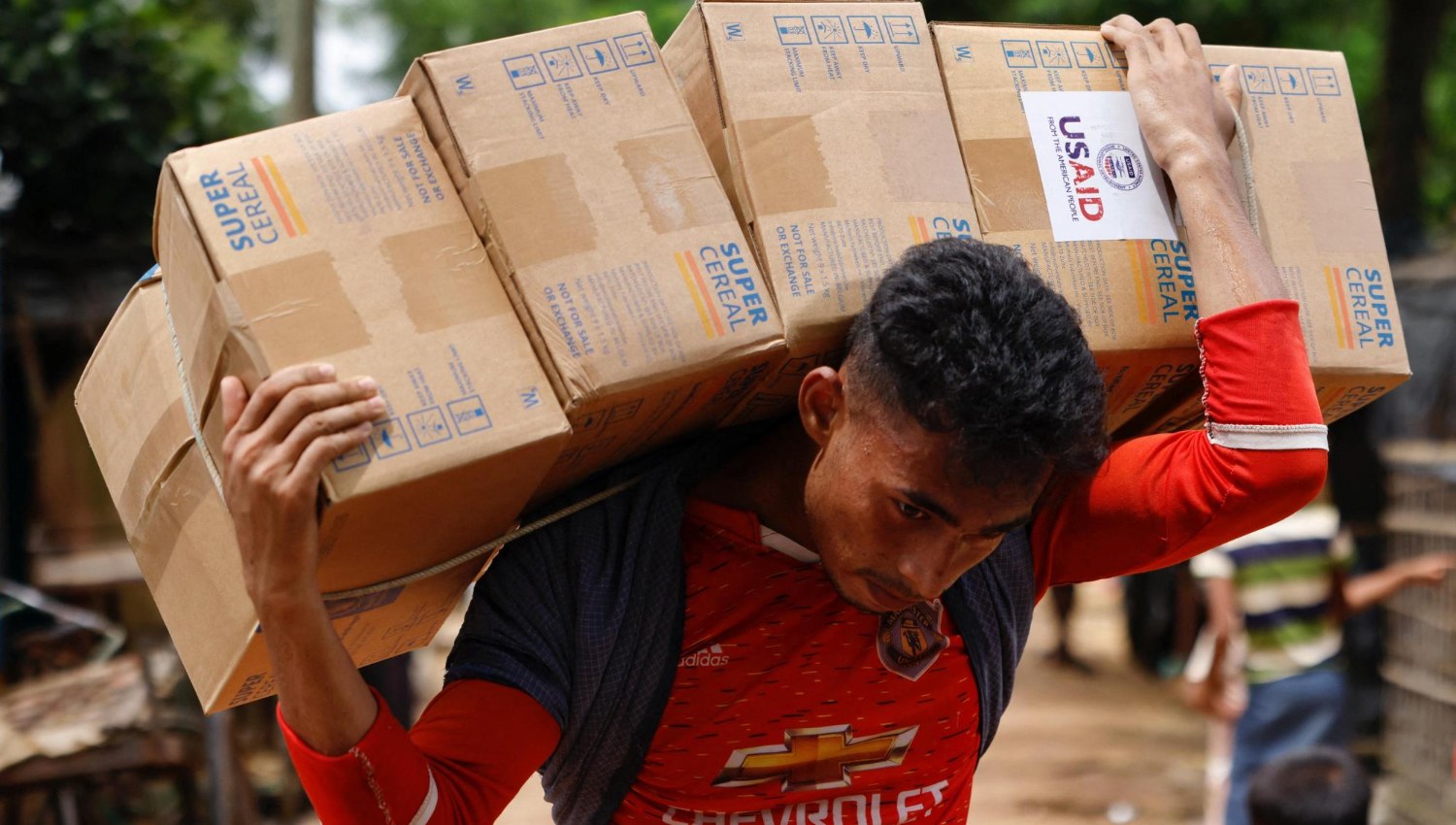
The 2024 figures largely predate the steep aid cuts the Trump administration introduced in 2025, although US funding to the region was already falling under the Biden administration. Nath said the full impact of those cuts would appear in future editions of the map, and that much of the projected fall in spending is being driven by Washington. An OECD projection points to a 23 per cent decline in aid from developed countries, and Nath said the current data does not yet show the full effect of the Trump cuts.
As bilateral donors pull back, multilateral lenders matter more, providing almost half of all development finance to South-East Asia in 2024. The researchers said institutions such as the World Bank, the Asian Development Bank and the Asian Infrastructure Investment Bank do not move with political cycles and can act as a lender of last resort. The risk, they said, is that these banks are being asked to do much more with the same institutional capacity, and their ability to help will depend on “whether they get stretched too far”. The region is increasingly exposed to climate shocks and to energy disruption linked to the war in Iran. Nath said aid flows to South-East Asia are likely to fall further, adding pressure on social protection systems and on the budgets of some of the region’s poorest countries.