
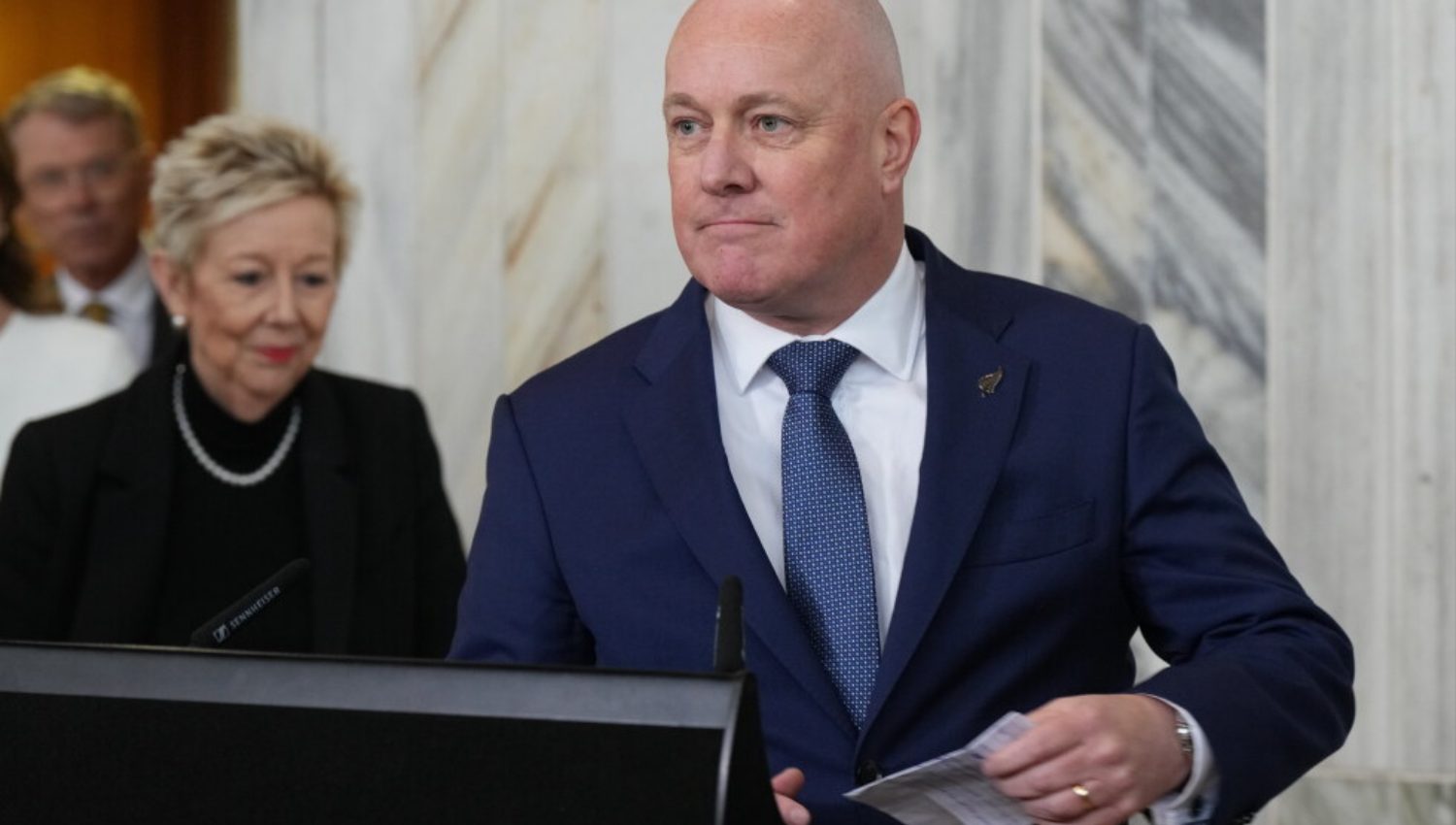

New Zealand Prime Minister Christopher Luxon has put forward a proposed law that would stop children under 16 from using social media platforms, pointing to what he called harm being done to a generation of young people. Announcing the measure, he said heavy use was exposing children to damaging content, addictive design and pressures they were not ready to handle, with effects on family life, mental health, sleep and schooling.
The proposal would require platforms such as Instagram, TikTok, Snapchat and Facebook to take reasonable steps to confirm that users are older than 16. Verification could draw on existing account information, facial age estimation, digital identity services or formal identification. Messaging apps such as WhatsApp, gaming platforms like Roblox and AI tools with productivity uses, including several well-known assistants, would be excluded from the rules.
No penalties are proposed for parents or children. Technology companies, however, could face fines of up to 10 percent of their global revenue for failing to meet their obligations, and platforms widely used by children would be required to assess and report on the risks their networks pose. Luxon said 2025 research indicated that a third of New Zealand teenagers spent at least five hours a day on social media.
Despite the prime minister’s backing, the plan faces a difficult path. Two of the three parties in his coalition government, the libertarian ACT and the populist New Zealand First, have said they will vote against it, meaning passage would depend on opposition support that has not been secured. Lawmakers from the largest opposition party, the center-left Labour, have not decided how they would vote, and Parliament’s dissolution ahead of a November election left no time for a vote on the measure.
The initiative follows a broader international shift. New Zealand’s government began weighing such a law after Australia introduced a world-first ban for under-16s that took effect in December 2025, and countries including Canada, Brazil and Indonesia have since enacted their own restrictions. Child safety advocates and some parents have welcomed the approach, while privacy groups warn that age checks can be circumvented and that requiring identification raises concerns about personal data. Luxon’s government previously banned cellphone use during the school day in 2024.