
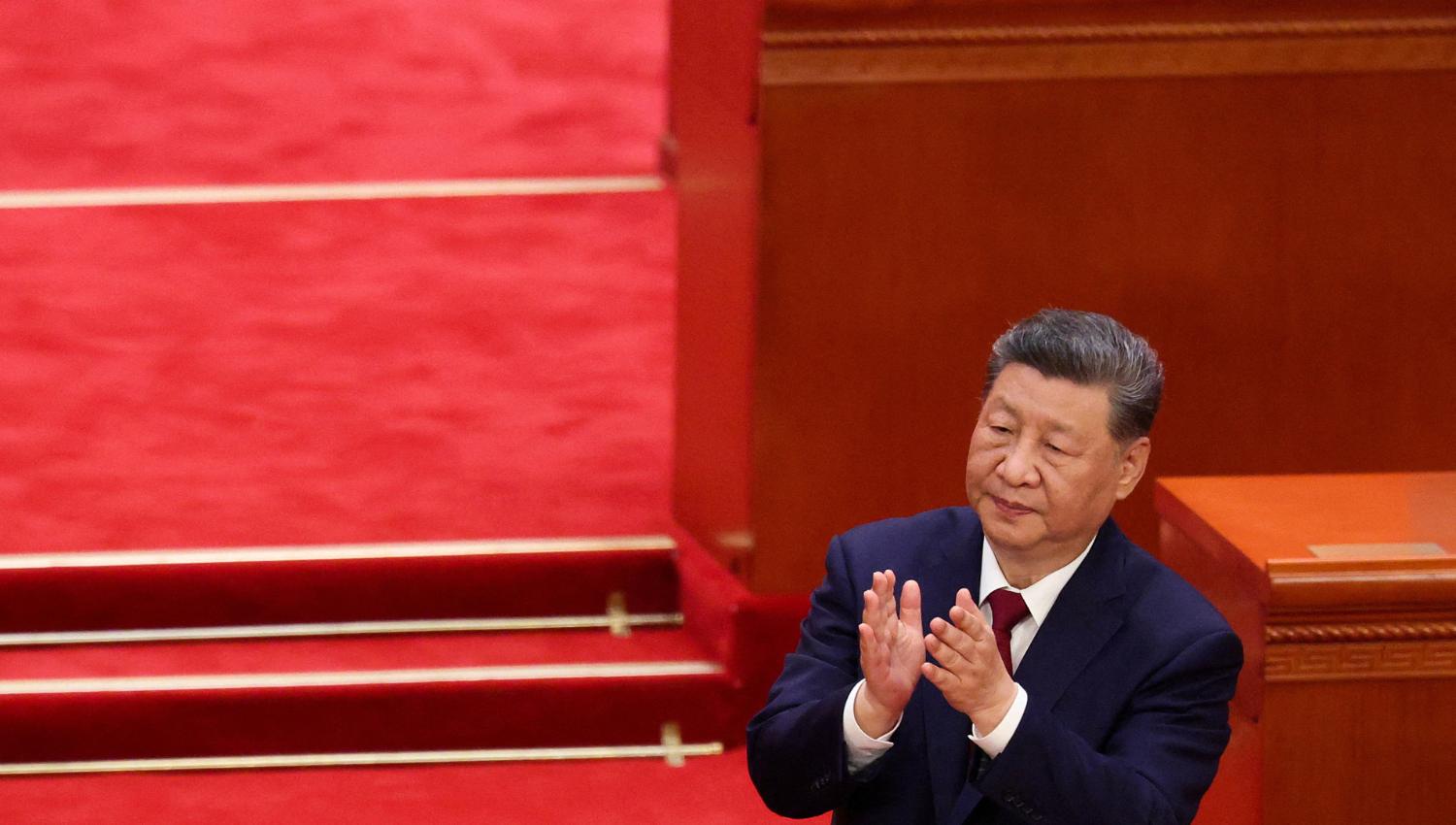

Chinese President Xi Jinping’s state visit to Egypt has underscored deepening ties between Beijing and the Middle East, marking 70 years of diplomatic relations between the two countries. Talks centred on expanding trade, which has reached roughly $20.8 billion, and on major infrastructure cooperation.
High on the agenda was the Suez Canal economic zone, where Chinese firms have invested heavily in manufacturing and logistics. The zone has become a symbol of Beijing’s broader strategy of linking industrial capacity to strategic trade routes across the region.
The two governments also discussed cooperation in electric vehicles and renewable energy, sectors in which Chinese manufacturers hold a growing lead. Egypt, seeking investment and technology transfer, has positioned itself as a gateway for Chinese goods entering African and Mediterranean markets.
The visit reflects a wider pattern of Chinese engagement across the Middle East and North Africa, as Beijing expands its economic footprint through investment, energy deals and infrastructure. Analysts see the pattern as part of a long-term effort to secure supply chains and diplomatic partners.
For the Asia-Pacific region, the deepening China–Egypt relationship illustrates how Beijing’s influence now stretches from East Asia across the Indian Ocean to the Mediterranean. The trajectory of these ties will shape trade routes and geopolitical alignments well beyond the immediate parties.