
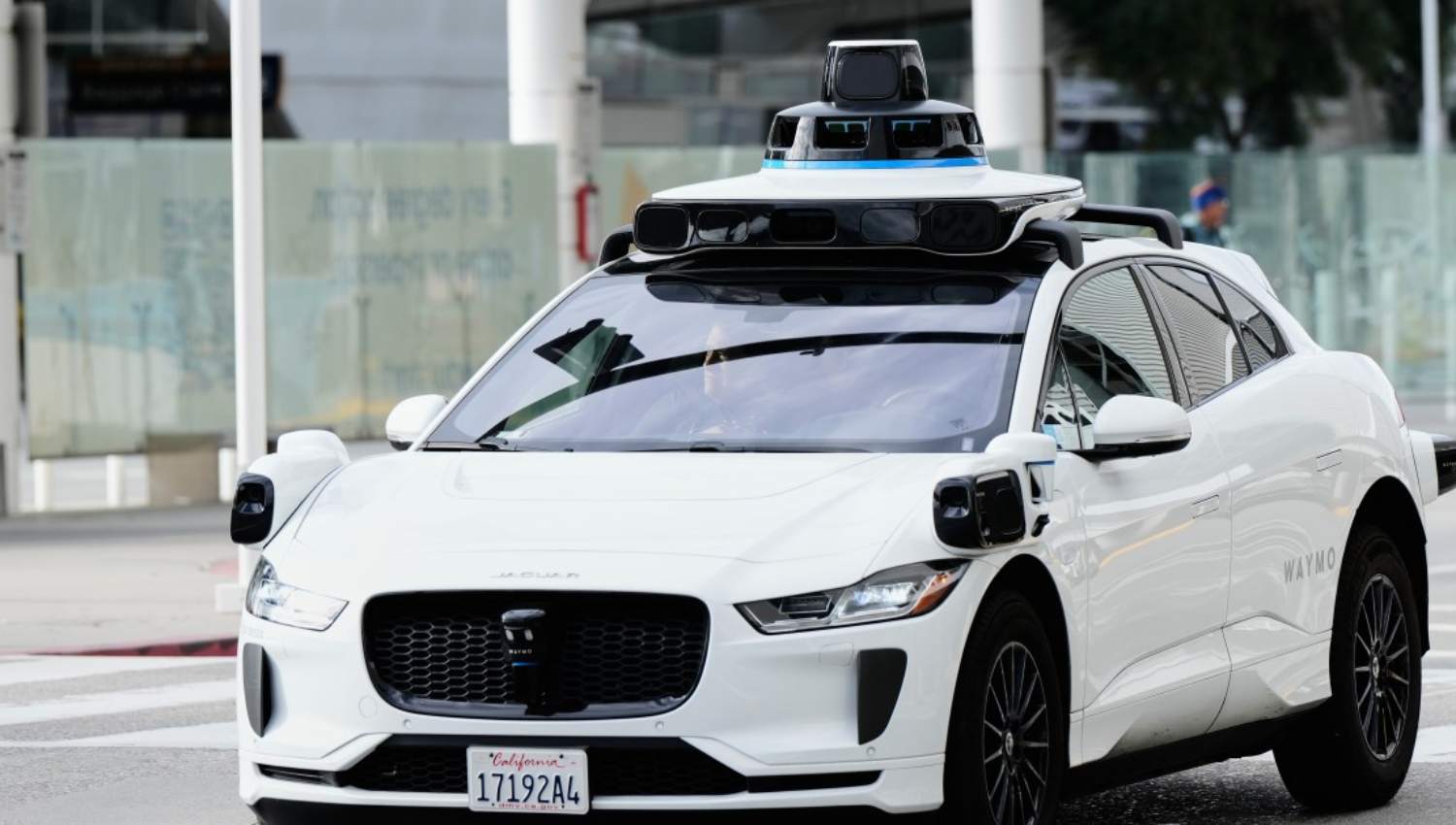

Waymo has publicly challenged Tesla’s camera-only approach to autonomous driving, arguing that vision alone cannot deliver reliable driverless operation at scale. Drawing on more than 200 million autonomous miles, the Alphabet-owned company said safe self-driving requires redundant sensors rather than cameras alone.
In its case, Waymo insisted that genuine Level 4 autonomy, in which a vehicle operates without human oversight in defined conditions, depends on layering cameras with lidar and radar. That redundancy, it argued, allows the system to keep working when any single sensor is degraded by weather, glare or obstruction.
Tesla has pursued the opposite philosophy, betting that cameras paired with advanced neural networks can match human perception without the cost and complexity of lidar. The company is preparing a wider rollout of its Cybercab as it seeks to prove the approach commercially.
The clash carries significant stakes. Waymo already runs driverless ride services in several US cities, giving it a real-world record, while Tesla’s larger fleet supplies vast quantities of driving data. Regulators may ultimately decide which standard prevails as robotaxi services expand.
For Asia-Pacific cities investing in smart-mobility and autonomous-transport pilots, the debate is directly relevant. The choice between sensor-rich and camera-only architectures will shape cost, safety validation and the pace at which driverless services reach regional roads.