

Australia’s recorded music industry will keep tracks created entirely by artificial intelligence off its official charts, a response to fast-moving generative tools that many musicians say threaten their livelihoods. A representative of the Australian Record Industry Association, known as ARIA, said the change takes effect from the start of next week and will also make wholly AI-generated music ineligible for the industry’s prestigious ARIA awards.
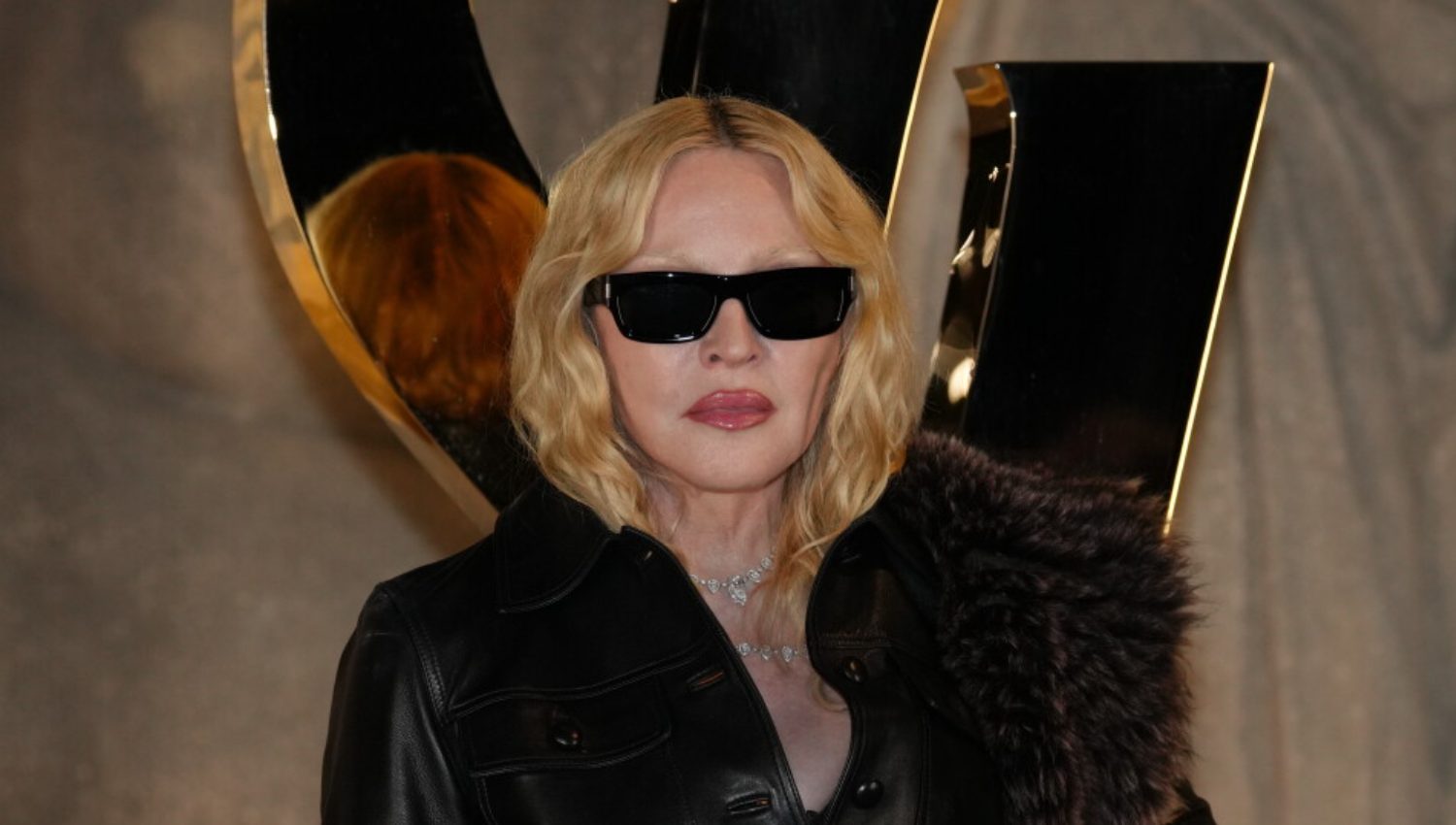
The decision follows a heated debate sparked by an AI-assisted reworking of Madonna’s “Like a Prayer.” Produced by an Australian using AI-generated vocals and drums, the track spent 16 weeks in the country’s top 20, peaked at number two in May and was still sitting in fourth place this week. Its success intensified questions about where automated tools belong in popular music and how charts should treat them.
Under the new rules, some AI-assisted music will remain eligible, but only if humans wrote the song and performed the lead vocal and the primary instruments, among other conditions. Eligible tracks must also be made using legal AI services. Industry figures noted that music had been surfacing on streaming platforms after apparently being built with tools trained on artists’ work without permission.
“These changes reflect our intent to remain dynamic and promote the human nature of artistry in what is, to say the least, a rapidly developing space,” said ARIA chief executive Annabelle Herd. She added that the charts would always be a transparent measure of what Australians listen to, and warned that a chart rewarding unlicensed AI output would undercut the very recorded music the organization exists to represent.
The Australian approach lines up with principles issued in July by the London-based International Federation of the Phonographic Industry, which represents the recording sector worldwide and says a track must be substantially human made to qualify for official charts. A Sydney Conservatorium of Music composer and lecturer, Alexis Weaver, called the move a welcome step that signaled a wish to prioritize human creativity, while acknowledging the topic remains emotional and divisive for musicians. Avoiding AI tools entirely can be difficult in the current landscape, she said, but artists can still use them while steering the main creative choices themselves.