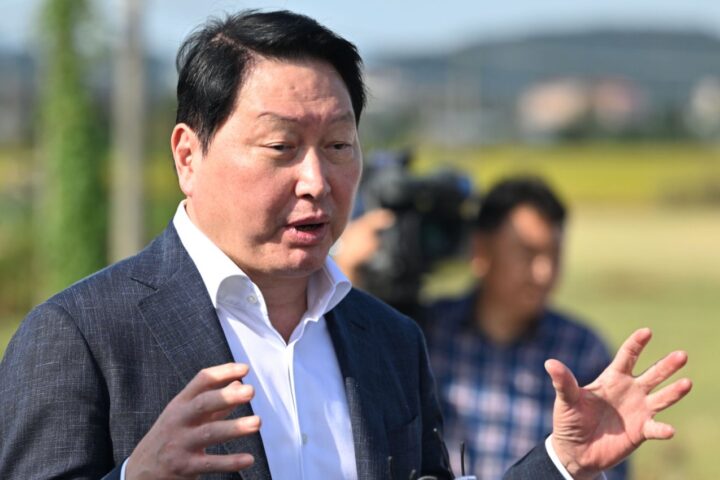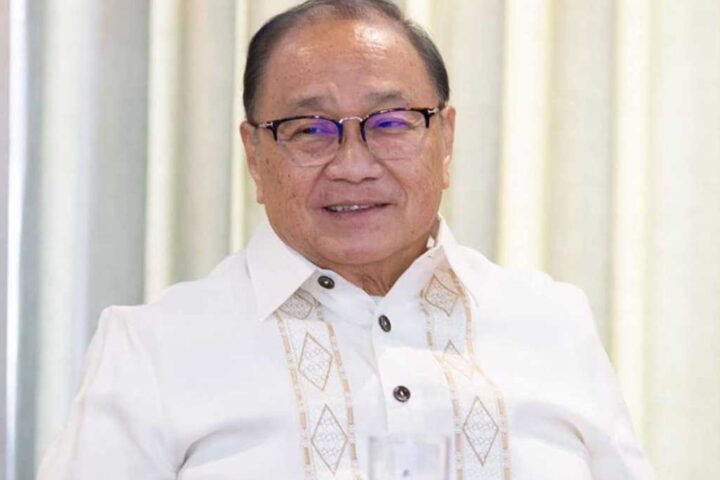



Kim Dong-seon, a president at Hanwha and the youngest son of Hanwha Group chairman Kim Seung-youn, is spending 128.5 billion won, about $96.3 million, of his own money on a tender offer for Hanwha Machinery & Service Holdings. He is bidding for up to 16.06 million shares, or 19 per cent of the company, at 8,000 won each.
The price represents a 32 per cent premium to the market, and the offer runs from Monday until 2 November. If shareholders tender every share sought, Kim’s stake will rise from 5.81 per cent to 24.81 per cent. That would make him the largest individual shareholder in Hanwha M&S and put his holding above the 23.94 per cent owned by Hanwha Energy, the group company that currently holds the biggest block.
The bid comes after a weak start to life on the stock market. Hanwha M&S listed on the Kospi on 25 August, opening at 10,100 won, and slid to a low of 5,510 won on 1 October, roughly 45 per cent below its debut level. Shareholders had voiced concern about both the share price and the company’s growth prospects. A premium tender offer funded personally by a member of the controlling family is designed to answer those worries directly.
Hanwha M&S is an intermediate holding company that sits above 56 subsidiaries and affiliates and holds the group’s life and tech businesses. At the end of last year it reported annual consolidated revenue of about 6 trillion won and total assets of 11.3 trillion won. A Hanwha official told The Korea Herald that the tech and life operations are worth more than the current share price suggests, and that the company expects the offer to send a message of confidence to the market and to investors.
The deal also gives the youngest son of the Hanwha chairman a larger personal footprint in the group’s structure. A stake of nearly a quarter in Hanwha M&S would make Kim Dong-seon the single biggest individual owner of a holding company with dozens of businesses beneath it, ahead of the group affiliate that is currently its top shareholder. At 8,000 won a share, the offer price is still well below the 10,100 won at which the stock opened on its first day of trading. The final result will depend on how many shareholders choose to sell at 8,000 won before the offer closes in early November.