

Ukrainian President Volodymyr Zelenskyy has announced plans to sharply escalate drone operations against Russia, aiming for a daily strike rate of about 1,000 unmanned aircraft, up from roughly 300 at present. The move signals a deepening reliance on long-range drones to target military production and fuel facilities.
The announcement followed a rare high-level diplomatic contact, with reports of a Moscow visit by the US CIA director for talks with Russian intelligence officials. The engagement underscored continued behind-the-scenes efforts even as fighting intensified on the ground.
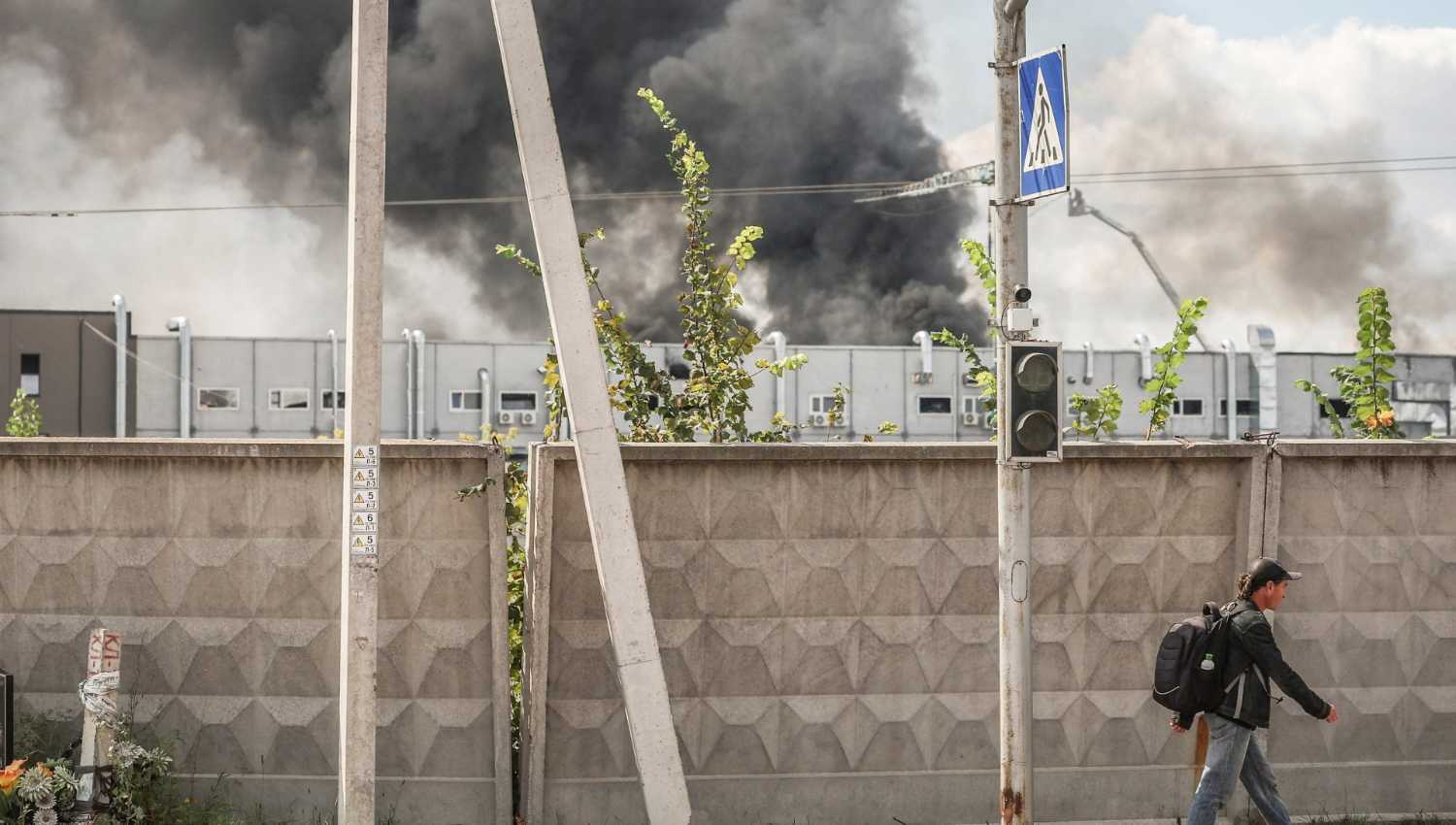
On the day of the statement, Russian strikes across the Kyiv, Sumy, Kherson and Kharkiv regions killed several people and wounded dozens. Ukraine responded with attacks on Russian oil infrastructure, including a refinery some 1,000 kilometres from the front line.
Zelenskyy said deep strikes on Russian military production and fuel facilities had proved highly effective in disrupting supply chains and export revenues. The strategy reflects Kyiv’s effort to impose costs far from the front, targeting the economic engine sustaining Moscow’s war effort.
For Asia-Pacific governments watching the conflict’s trajectory, the growing role of low-cost drones carries lessons for regional security. The war has accelerated a shift toward unmanned systems that many militaries across the region are now studying closely as they modernise their own forces.