

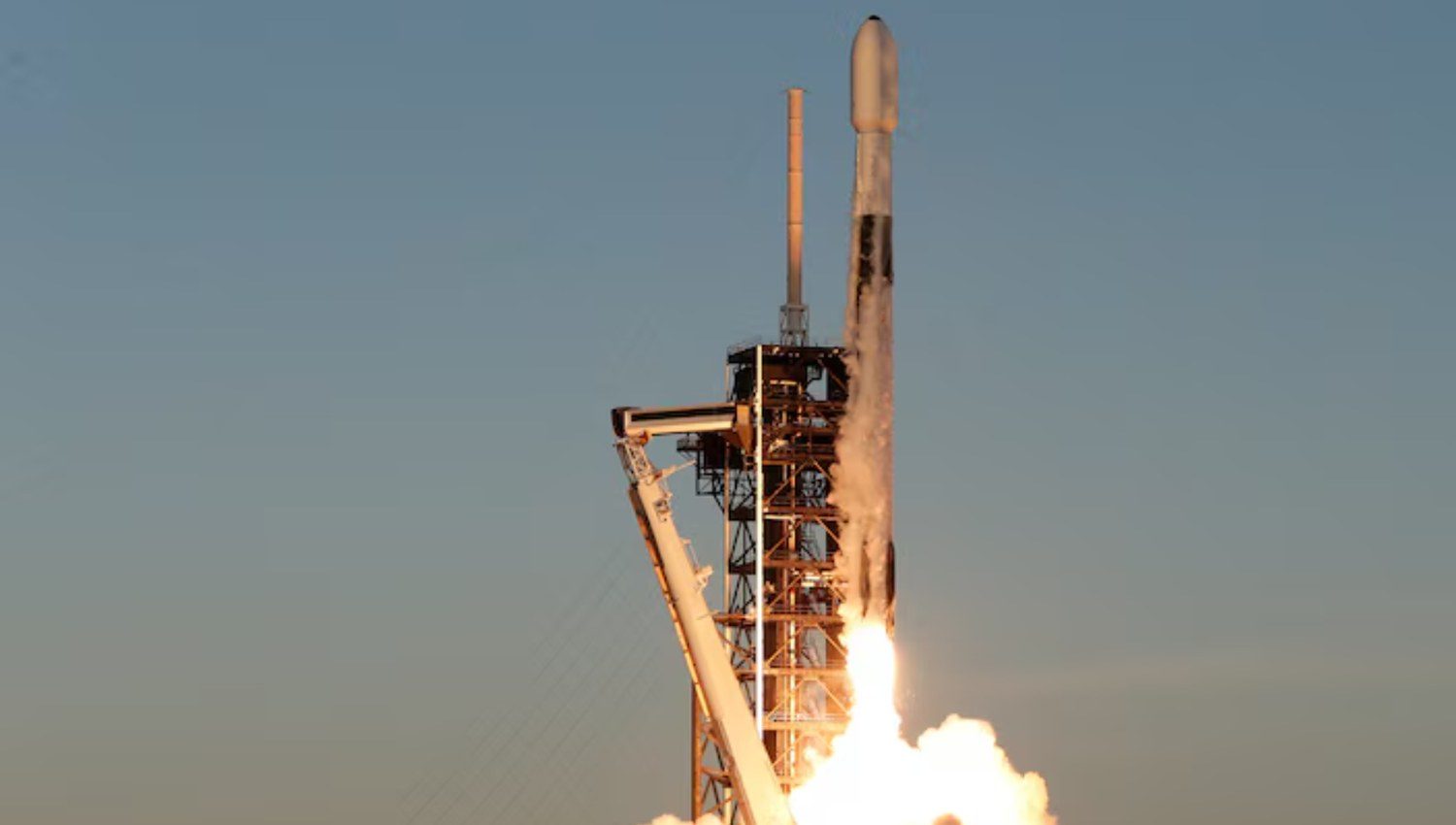

A piece of a SpaceX Falcon 9 rocket is believed to have crashed into the Moon, with the aftermath potentially visible from Earth. The rocket component had been drifting in space since the previous year before smashing into the lunar surface at high speed, though confirmation of the impact was expected to take several hours. Astrophysicists and other scientists said the event offered a rare opportunity to study the effects of such a collision as they happened.
The crash also revived questions about who is responsible for space junk and whether a better communication system is needed to avoid lunar accidents, particularly as governments and private companies race to build structures on the Moon. Space lawyer Gregory Radisic said the underlying implication was that the Moon was being treated with the reverence of a garbage dump, noting that, with no weather to erode them, such marks could remain visible for years.
Curtin University professor of planetary science Katarina Miljkovic said it had not been planned for the reusable rocket to strike the Moon; instead its upper stage ended up on a Moon-crossing trajectory. Normally spent booster sections fall back to Earth, she explained, but occasionally they become stuck in limbo and collide with the Moon if their path crosses its orbit. She stressed there was no danger to anyone, describing it as a small piece of debris rather than any kind of catastrophe.
Because the Moon has no atmosphere, the debris does not burn up as it would on Earth but strikes the ground directly and forms a crater, releasing what she called an insane amount of energy. Part of that energy is thermal, briefly heating the surface and producing a millisecond flash of light. The impact can vaporise, melt or break up the regolith, the loose material covering the surface, reworking its top few metres.
Radisic argued the collision showed the need for clearer coordination, suggesting a shared repository where states could identify their lunar activities and sites of cultural significance, along with a warning system modelled on the notices used in aviation. He noted that while the 1967 Outer Space Treaty underpins space law and has been signed by 138 countries, compliance is voluntary. With NASA planning a base near the lunar south pole and other nations announcing permanent bases by 2035, researchers say understanding such impacts will matter for future human exploration.