
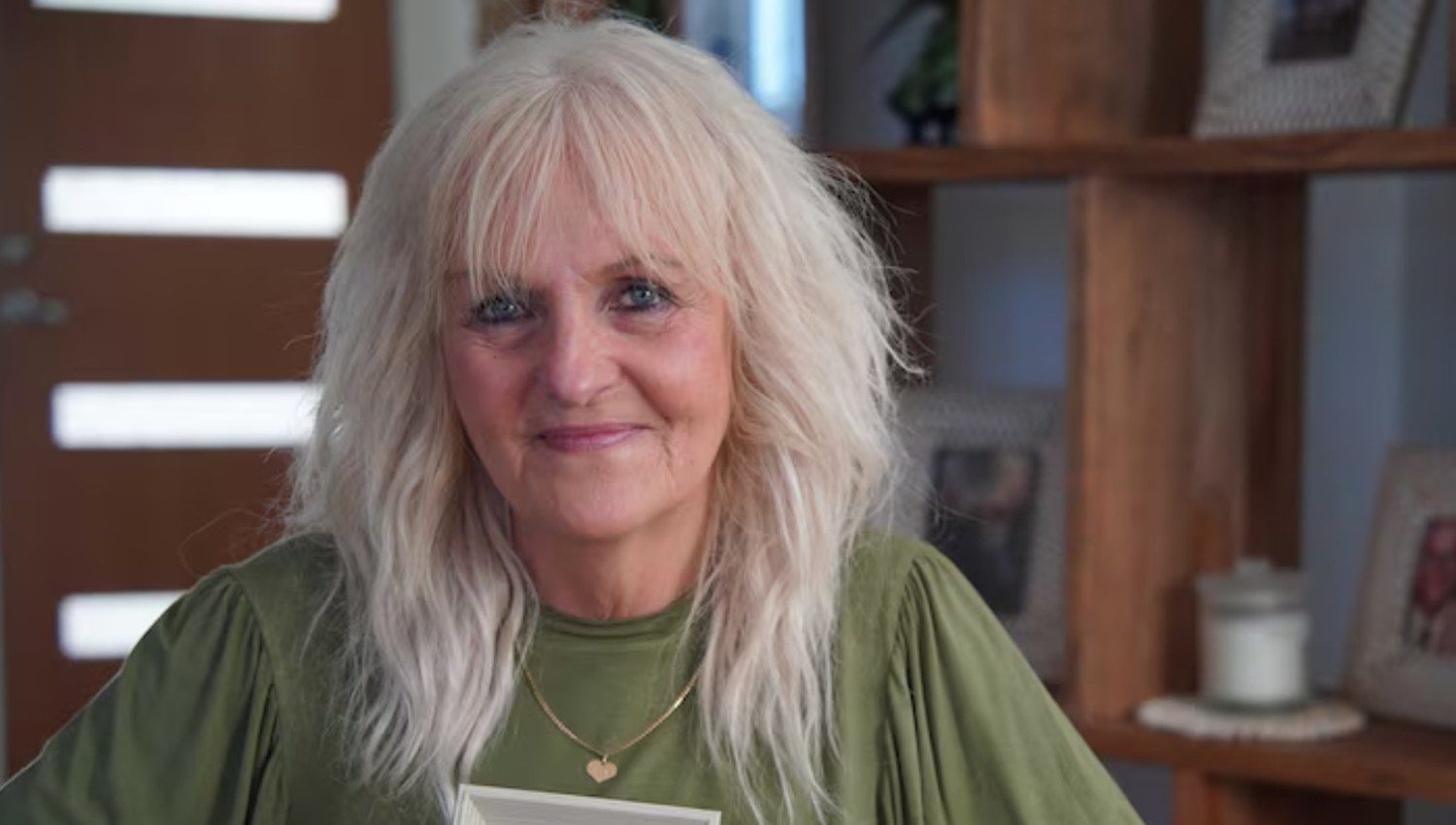

Suzi Scott was a child when her mother died of lung cancer at 49. Almost half a century later, the 57-year-old was herself diagnosed with the country’s deadliest cancer, but unlike her mother the disease was picked up early, before she had any symptoms. She is one of more than 117,000 people scanned since the National Lung Cancer Screening Program began in July last year, and she is convinced the decision to join it saved her life.
Recalling the trauma of losing her mother, she spoke to her general practitioner about the free program and enrolled. A bulk-billed low-dose CT scan detected a 1.6-centimetre tumour in her right lung, which was removed about four weeks later at a Brisbane hospital. She spent four days in hospital and six weeks off work, has required no further treatment, and has since given up nicotine.
To be eligible, people must be aged between 50 and 70, have a significant smoking history equivalent to a pack a day for 30 years, and have no symptoms suggesting the disease, which kills about 9,000 people a year. The program aims to catch cancer at an earlier, more treatable stage. Ms Scott said she had shown no warning signs, remaining fit and active, and urged others not to be scared, describing lung cancer as a silent killer that many people need not die from.
She is among close to 400 people to have had cancers detected under the scheme, the country’s first new national cancer screening program in two decades, joining existing programs for bowel, breast and cervical cancers. While more than 900,000 people are estimated to be eligible, uptake was well below that in the first year. The chief executive of Lung Foundation Australia said he was delighted with the response but saw room for improvement, calling for more support for GPs making referrals and possible expansion of the eligible group.
A respiratory specialist at Curtin University, Fraser Brims, described the rollout as a great success and said the country was being viewed internationally as a leader in lung cancer screening. He cautioned, however, that follow-up care after diagnosis remained uneven in some regions, and argued for a national quality program to monitor outcomes, better integration of support to help people quit smoking, and more specialist lung cancer nurses to guide patients through what he called an incredibly difficult time.