

Singapore’s economy should expand about 6 per cent this year, after the Ministry of Energy, Trade and Industry (METI) lifted its forecast on Tuesday (Nov 24) on the back of strong global demand linked to AI. Its earlier estimate was a range of 4.5-5.5 per cent.
Next year, growth should cool to a range of 2.5-4.5 per cent, the ministry said, as most of Singapore’s main trading partners expand more slowly and new AI investment grows at a gentler pace.
GDP rose 6.1 per cent year on year in the third quarter, beating the 5.4 per cent first estimate but trailing the 6.4 per cent of the quarter before. On a seasonally adjusted quarter-on-quarter basis, the economy grew 1.5 per cent, down from 1.8 per cent. Over the first nine months of 2026 it grew 6.2 per cent. In August, METI had already upgraded its forecast from a 2-4 per cent range.
The finance and insurance, manufacturing and wholesale trade sectors drove the third quarter. AI demand lifted the part of wholesale trade covering machinery, equipment and supplies, as well as manufacturing’s precision engineering and electronics clusters, while credit growth and fee-earning business supported finance. Food and beverage services and retail shrank, partly because residents kept spending more abroad as outbound travel rose.
METI said the external outlook has improved since August, even with high energy prices adding to global inflation and several economies keeping monetary policy tight. AI-related production and exports, boosted by a faster-than-expected build-out of data centres, have kept speeding up. For the rest of 2026, manufacturing and wholesale trade should keep benefiting, information and communications along with finance and insurance should stay resilient, and strong hotel bookings around a busy events calendar should help accommodation, though the ministry called the outlook for retail and food and beverage services subdued.
For 2027, METI expects energy prices and inflation to ease as Middle Eastern oil supply gradually recovers, helped by alternative routes, including Gulf pipelines. It sees US growth cooling, China slowing, the Eurozone picking up and key Southeast Asian economies easing as AI investment and exports come off their peaks. Risks include a sharper market correction if doubts grow about the AI cycle, fresh jumps in energy prices and economic and political uncertainty abroad.
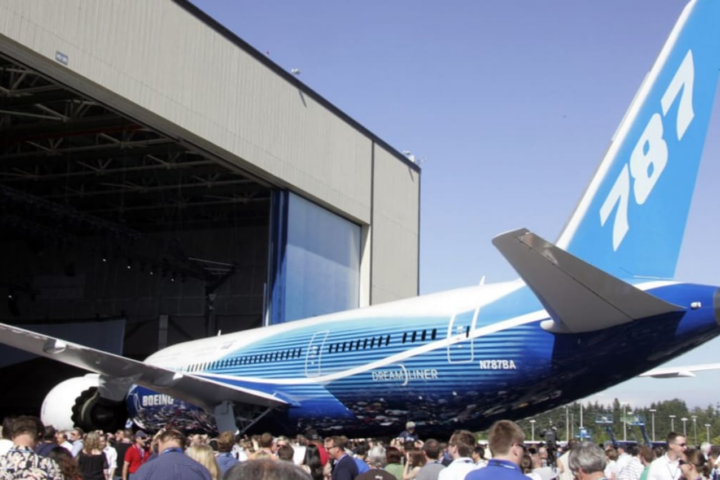
At home, AI-linked sectors should keep growing next year, though more slowly. A recovery in oil supply should give a modest lift to petroleum output and to wholesale volumes of fuels and chemicals, aerospace capacity expansions should support transport engineering, and demand for digital and AI services should help information and communications. Finance is expected to grow firmly and construction steadily, helped by public housing and civil engineering works, while spending overseas may keep weighing on retail and F&B outlets.
Based on reporting by Chelsea Ong for CNA.