

StarHub and M1 are set to combine through an all-share deal, the two telcos and Keppel, M1’s parent, said on Tuesday (Nov 24). They expect the tie-up to yield operating expenditure savings with an estimated net present value of S$1.1 billion.
StarHub and Keppel first disclosed talks over a possible transaction on Sep 23, months after rival Simba’s planned purchase of M1 collapsed. Both companies asked for a trading halt before Tuesday morning’s announcement.
The merger needs approval from the Infocomm Media Development Authority (IMDA) and the Ministry of Digital Development and Information, as well as backing from StarHub and Keppel shareholders at separate extraordinary general meetings, plus other conditions. If those are met, it could close in the first six months of 2027. IMDA told CNA it had noted the agreement and would assess the application using the Telecom and Media Competition Code.
Together the two operators serve 4.1 million customers. Until completion they will keep running and competing separately, and customers will keep their current plans, services and contacts. The companies said the combined group would draw on close to 30 years of infrastructure experience at each firm and apply its skills in AI, data, cloud, cybersecurity and network automation to lift network quality and service. They also pledged structured engagement with staff, with regular updates, fair treatment and open consultation.
According to the telcos, the extra scale and cash flow will fund investment in fibre, cloud, cybersecurity, 5G and future technologies. As AI use spreads, they said, the country will require digital infrastructure and secure connectivity able to support new services at scale. Analysts have said a combined StarHub and M1 could be big enough to take on market leader Singtel, though the merger may also ease the price competition that has helped consumers.
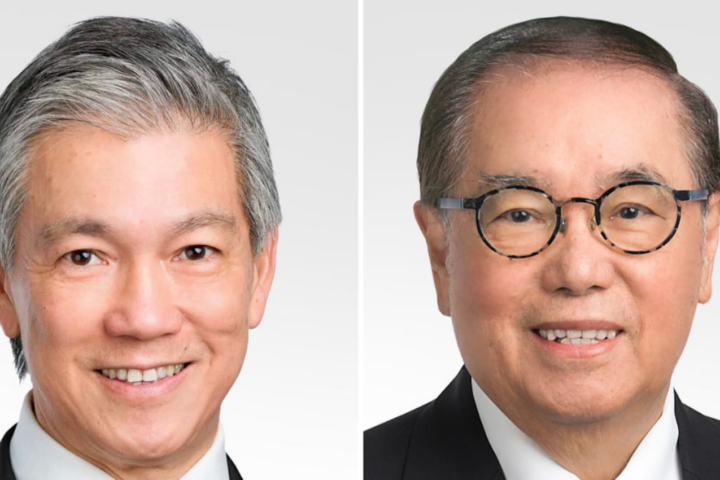
Singapore fully opened its telco market in 2000; M1 started in 1997 and StarHub in 2000. StarHub CEO Nikhil Eapen said that era of liberalisation “is now closing”, arguing that four operators chasing one mature market can no longer deliver the infrastructure the country needs. M1 CEO Manjot Singh Mann pointed to recent telco consolidation in Southeast Asia that has lifted revenue for the merged firms, and said staff would gain from belonging to a larger group.
Separately, StarHub has used a call option to buy Circles.Life Singapore, under an agreement between the two telcos giving put and call options. The purchase, covering brand assets, staff, other agreed assets and Circles.Life’s Singapore subscribers, is expected to close at the same time as the merger. Under the code, IMDA approval is not required when consolidation involves mobile virtual operators, though the parties must notify the regulator within five calendar days. StarHub has also picked Circles X, an AI-native platform Circles built for running telcos, through a service agreement covering selected consumer mobile services. Circles chief executive Rameez Ansar said the partnership combines StarHub’s network strength and scale with Circles’ digital capabilities.
Based on reporting by Davina Tham for CNA.