

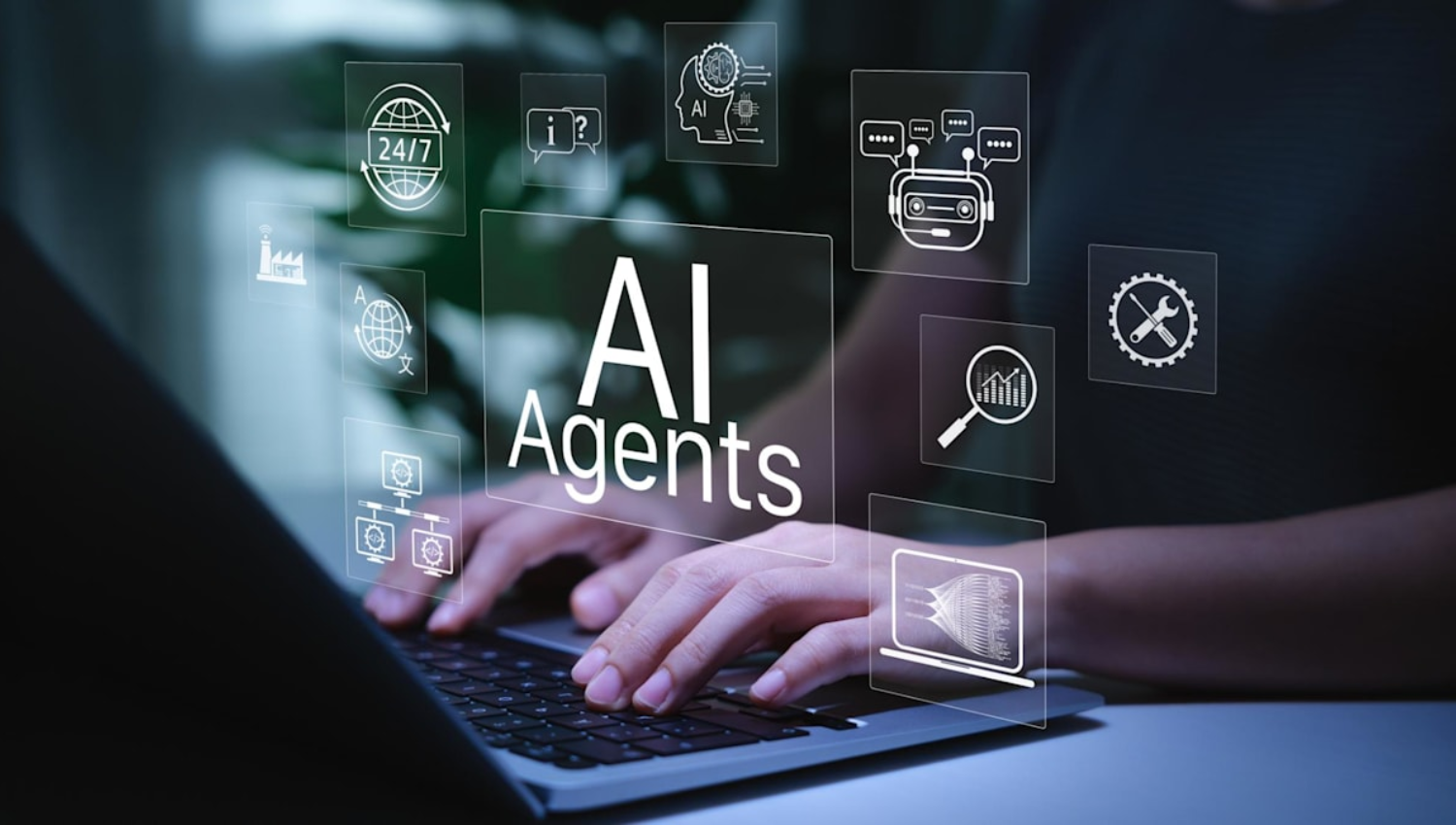
Terminal 3, based in Hong Kong, and Temasek-founded Affinidi have teamed up to build and launch Tenon, a public network meant to make AI agents more trustworthy and safer to use with sensitive data. The two technology firms announced the partnership on Thursday (Nov 19) at the Singapore Fintech Festival, where their chief executives were due to present Tenon that afternoon.
According to a media release from Terminal 3, Tenon’s job will be to verify, secure and govern what AI agents do across organisations, starting with financial services. One goal is to let agents safely handle bank tasks like disputed credit card charges or sending money overseas without revealing a customer’s account details.
Terminal 3 said governments and companies are rolling out AI agents ever faster but still do not trust them with sensitive, valuable work. Firms may hold agents back from key data, credentials and payments because they have no way to confirm whose authority a given agent is acting under, or what it may do inside their systems and with their data permissions. Identity checks and access policies for agents tend to work only within a single platform or company, the firm said, even as agents increasingly operate across many.
Every agent call on Tenon will go through a full set of governance and security checks. The network checks an agent’s identity and authority using trusted registries that are based on open standards, applies each organisation’s own rules through a programmable policy engine, then routes every call to the appropriate model with guardrails and cost controls. Sensitive data in prompts is swapped out, and workflows that involve protected data and secrets run inside cryptographic enclaves. Each call and action goes into a private audit trail that cannot be altered, by agents or by administrators, and every organisation’s data is kept isolated from other network operators and participants.
Tenon runs on a confidential computing network built from Affinidi’s verifiable trust infrastructure and open-source governance technology, together with Terminal 3’s agentic security platform, which is secured in hardware. The firms say it will let AI agents take on sensitive work, including high-value transactions, regulated information and data analysis, and that it should help institutions meet supervisory expectations on AI risk. Terminal 3 and Affinidi will run the first computer systems supporting the shared network as its founding operators, with more operators from government, healthcare, technology and logistics expected to follow.
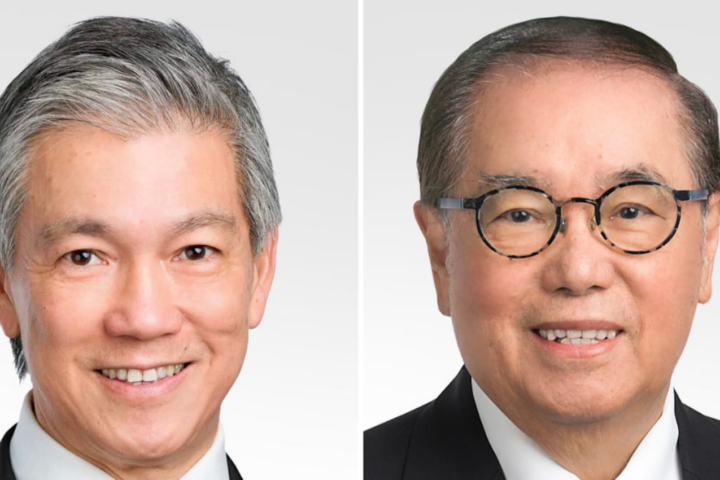
Gary Liu, Terminal 3’s co-founder and chief executive, said businesses have rolled out AI agents only to rein them in, since nothing consistent and trusted exists to verify agent identities and secure what they do. Affinidi CEO Glenn Gore said Tenon lets AI agents be trusted as their work passes between companies, describing trust as “the internet’s missing layer”.
The safety and security risks of AI agents have drawn attention in Singapore and abroad. At Singapore International Cyber Week last month, Senior Minister and Coordinating Minister for National Security K Shanmugam said agentic AI is moving faster than safeguards worldwide, pointing to an AI agent in September that got into non-public data it was not authorised to reach on an Australian government statistics portal.
Based on reporting by Daphne Yow for CNA.