
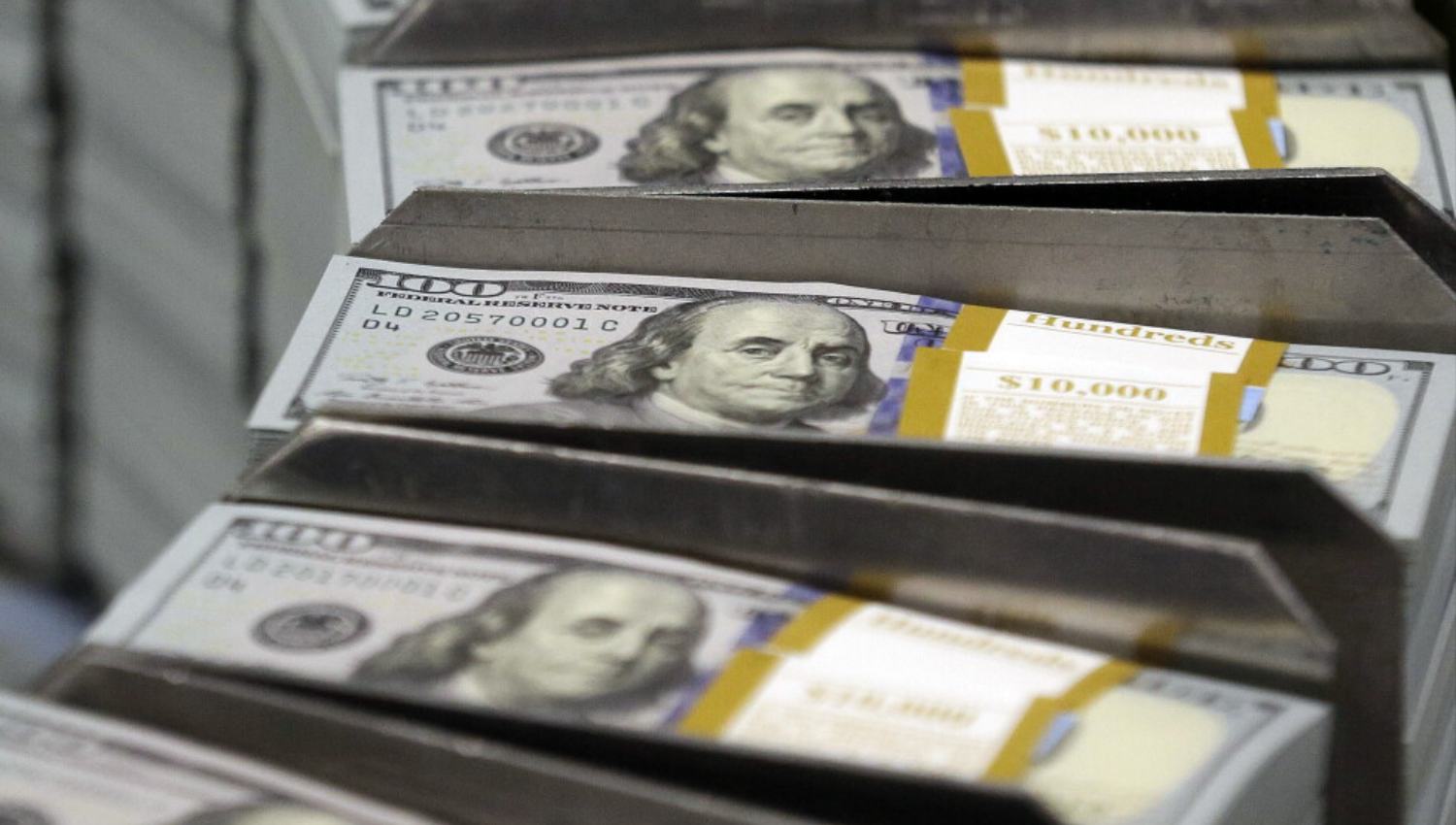

Compensation for the leaders of the largest US companies rose again in 2025, with the typical chief executive package increasing by nearly 6 percent to 17.7 million dollars, according to an annual survey of executive pay. Company boards rewarded top executives for growing profits and lifting shareholder returns, and structured much of the pay to encourage them to stay on and sustain that performance in the years ahead.
The figures come from a long-running survey that drew on data analyzed by the research firm Equilar. It covered 337 executives at companies in the S&P 500 who had served at least two full consecutive fiscal years and whose employers filed proxy statements in the first four months of the year. Because the totals reflect completed pay disclosures, they offer a broad picture of how governance decisions translated into rewards at the top of corporate America.
Much of a modern chief executive’s package is tied to company performance rather than salary alone. Boards commonly grant stock awards and incentive payments that vest over time, aiming to align an executive’s interests with those of shareholders and to discourage short-term thinking. Supporters of that approach argue it keeps proven leaders in place and links their fortunes to the value they create, while critics question whether the size of the awards matches the results.
The survey also highlighted the widening distance between the corner office and the typical employee. At half the companies studied, a worker earning the median wage would need 200 years to match what the chief executive earned in a single year, up from 192 years in the previous survey. That gap has become a recurring point of debate among investors, boards and policymakers weighing how executive pay is set and disclosed.
Pay ratios of that scale continue to draw scrutiny at annual shareholder meetings, where investors increasingly vote on compensation plans and press boards to justify their decisions. For the executives themselves, the trend reflects a market in which experienced leaders are viewed as scarce and closely tied to a company’s direction. Whether the rising figures represent fair reward for performance or an imbalance in need of correction remains a question that boards, shareholders and the wider public keep returning to.