

US inflation held steady at 3.7 percent in July, according to the Personal Consumption Expenditures Price Index, keeping price growth well above the Federal Reserve’s 2 percent target for the 65th consecutive month. Core inflation, which strips out food and energy, remained at 3.3 percent.
On a monthly basis, prices rose 0.2 percent, above economists’ expectations of 0.1 percent. The stronger-than-expected reading unsettled markets and reinforced concerns that inflation is proving stickier than policymakers had hoped through the year.
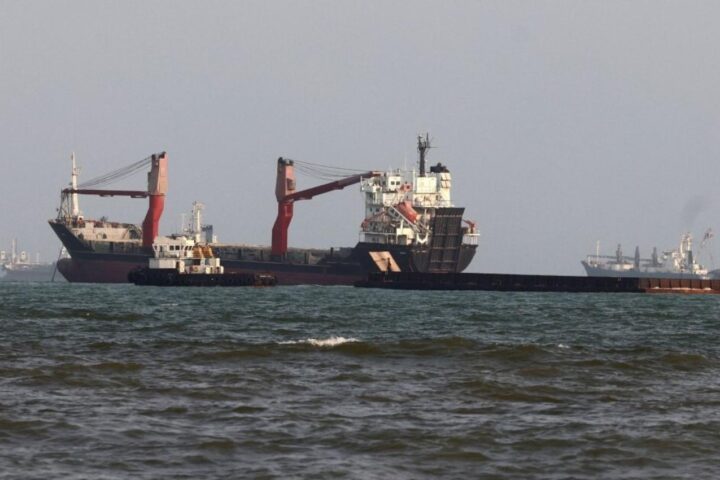
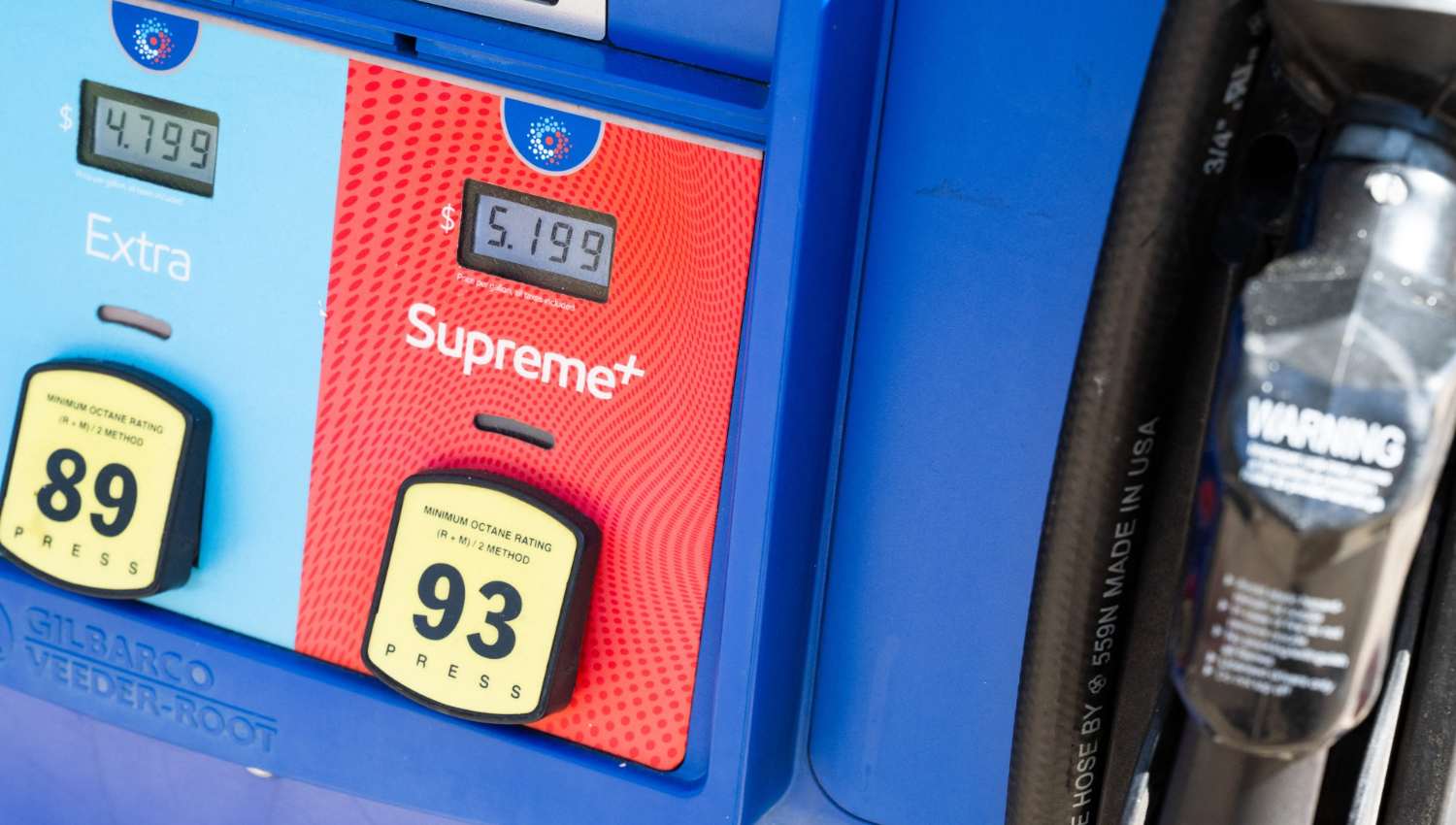
Energy costs have been a primary driver, with gasoline rebounding to around $4.10 a gallon after military action against Iran earlier in the year pushed global oil prices higher. Analysts warned that the newly escalating US-Canada tariff dispute could add further upward pressure in the months ahead.
The data lifted market expectations for a Federal Reserve interest-rate increase, with futures pricing in roughly a 42 percent chance of a hike at the September meeting, up from 36 percent beforehand. A tightening move would mark a notable shift after a long pause.
For the Asia-Pacific, where currencies and capital flows are sensitive to US monetary policy, the prospect of higher American rates carries real consequences. A more hawkish Federal Reserve could strengthen the dollar and pressure regional central banks weighing their own policy paths.